
Welcome to the ultimate guide to drone insurance in India for 2026! Drones are no longer just toys—they’re powerful tools revolutionizing agriculture, filmmaking, logistics, defense, infrastructure, and more. India’s drone market was valued at around $1.22 billion in 2025 and is projected to reach approximately $3.23 billion by 2030 (CAGR of about 21.5%), according to IBEF data, with other reports estimating a range from roughly $0.5–1.9 billion in 2025 growing to $1.4–6+ billion later in the decade depending on scope.
The skies are buzzing with opportunity. But with great potential comes great responsibility. Whether you’re a hobbyist capturing stunning aerial shots or a business delivering packages or monitoring crops, drone insurance is your safety net against accidents, damages, and legal troubles.
In India, flying a drone without proper insurance can land you in hot water, as the Directorate General of Civil Aviation (DGCA) mandates third-party liability coverage for most drones. This comprehensive guide is your one-stop resource for understanding drone insurance in India. From regulations to costs, top providers to claim processes, we’ll break it all down in simple terms, making it perfect for beginners.
Why Drone Insurance is a Must in India?
Imagine this: You’re flying your drone to capture a breathtaking sunset, but a sudden gust of wind sends it crashing into a neighbour’s car. Or, you’re using a drone for your agriculture business, and it malfunctions, damaging crops. These scenarios highlight why drone insurance is essential. It protects you from financial losses, covers damages to others, and ensures you comply with Indian laws.
In India, the Drone Rules 2021, enforced by the DGCA, require third-party liability insurance for all drones weighing over 250 grams. This insurance covers damages to people or property caused by your drone, similar to car insurance. Without it, you risk fines, legal action, or even having your drone grounded. Beyond compliance, insurance offers peace of mind, letting you focus on flying rather than worrying about what-ifs.
This guide is tailored for beginners, whether you’re a hobbyist, a budding entrepreneur, or a professional drone pilot. We’ll cover everything you need to know about drone insurance in India for 2026, including regulations, coverage types, costs, and how to choose the best drone insurance policy in India. Let’s dive in!
Drone Regulations in India: The Legal Landscape
Before you buy insurance, you need to understand the rules governing drone operations in India. The Drone Rules, 2021, updated through amendments like the Drone (Amendment) Rules, 2023, form the backbone of Drone Insurance Regulations In India. These rules categorize drones by weight and outline requirements for registration, licensing and insurance.
Drone Categories and Requirements
Drones (Unmanned Aircraft Systems) in India are classified into five categories based on their maximum all-up weight (MAUW, including battery and payload) under the Drone Rules, 2021 (as amended and continuing in force into 2026, with the draft Civil Drone Bill 2025 preserving the same structure). Here’s the current breakdown based on DGCA guidelines:
| Category | Weight Range (MAUW) | Registration (UIN) Required | Remote Pilot Certificate (RPC) Required | Insurance Required | Notes |
|---|---|---|---|---|---|
| Nano | ≤ 250 grams | No | No | No | Can operate up to 15 m / 50 ft AGL in Green (uncontrolled) zones without permits. Still subject to no-fly zone restrictions. |
| Micro | > 250 g ≤ 2 kg | Yes | Yes for commercial use only (not required for pure recreational/hobby use) | Yes | Recreational flights generally allowed in Green zones without additional permits; commercial use needs permissions and RPC. |
| Small | > 2 kg ≤ 25 kg | Yes | Yes | Yes | Mandatory for all operations. Type certification typically required. |
| Medium | > 25 kg ≤ 150 kg | Yes | Yes | Yes | Mandatory for all operations; higher scrutiny and operational approvals. |
| Large | > 150 kg | Yes | Yes | Yes | Mandatory for all operations; treated closer to manned aviation standards with full DGCA approvals. |
Key Insurance Takeaway:
Third-party liability insurance is mandatory for all drones except Nano (≤ 250 g) under Rule 44 of the Drone Rules, 2021. The provisions of the Motor Vehicles Act, 1988 (and rules made thereunder) apply mutatis mutandis to third-party liability and compensation for damage to life or property caused by a drone. Nano drones remain exempt. Policies must generally be IRDAI-approved and often need to reference the drone’s Unique Identification Number (UIN). Coverage limits and exact terms vary by insurer and risk profile—operators should confirm current minimums with approved providers, as amounts higher than basic Motor Vehicles Act baselines are commonly required or recommended for commercial use.
Key Regulatory Highlights
- Registration: All drones over 250 g must be registered on the Digital Sky platform (or the evolving eGCA interface) to obtain a Unique Identification Number (UIN). The UIN must be displayed on the drone.
- Pilot Licensing: A Remote Pilot Certificate (RPC), issued after training at a DGCA-approved Remote Pilot Training Organisation (RPTO), is required for commercial operations and for all operations of Small, Medium, and Large drones. Nano and non-commercial Micro operations are generally exempt.
- Airspace Zones: India’s airspace is divided into Green (unrestricted/uncontrolled), Yellow (controlled—permission needed), and Red (prohibited) zones. Always check the Digital Sky platform (or linked tools) for real-time zone status and permissions before flying.
- Foreign Operators: Foreign nationals generally cannot operate drones in India. Commercial operations typically require the drone to be leased to or operated by an Indian entity with appropriate DGCA approvals.
- Penalties: Operating without required registration, RPC, insurance, or permissions can lead to fines, drone confiscation, or imprisonment under applicable rules.
Why It Matters:
Matching your drone’s category to the correct registration, licensing, and insurance requirements prevents legal issues and ensures you have the right protection. A hobbyist flying a Nano drone has minimal obligations, while a commercial operator with a Small (or heavier) drone needs full compliance—including mandatory third-party cover—to operate legally and safely. Always verify the latest details on the official Digital Sky / DGCA portals, as minor procedural updates (e.g., platform transitions or enforcement focus) can occur.
Types of Drone Insurance: What’s Covered?
Drone insurance in India is offered by IRDAI-approved insurers and is structured around the DGCA Drone Rules, 2021 (as amended). Policies are tailored to recreational, commercial, agricultural, and logistics use cases. Here’s a clear overview of the main types and common add-ons available in 2026.
1. Third-Party Liability Insurance
- What It Covers: Legal liability for bodily injury, death, or property damage caused to third parties (e.g., a bystander, vehicle, building, or other property) arising from drone operations.
- Who Needs It: Mandatory for all drones above the Nano category (≤ 250 g) under Rule 44 of the Drone Rules, 2021 (especially for commercial operations). Nano drones remain exempt.
- Coverage Limits: Vary by insurer, drone category, and risk profile. Entry-level commercial policies often start in the ₹10 lakh–₹50 lakh range per occurrence; higher limits (₹1 crore and above) are common for Small/Medium drones or higher-risk operations. Bodily injury/death compensation generally follows Motor Vehicles Act principles. Exact limits should be confirmed with the insurer.
- Example: If your drone crashes into a car or injures a person on the ground, this cover pays valid third-party claims (subject to policy terms and limits).
2. Hull Coverage (Own Damage / Physical Damage)
- What It Covers: Physical loss or damage to the drone itself (airframe, motors, electronics, etc.) from crashes, collisions, hard landings, fire, theft, water damage, or certain fly-away events. Many policies use agreed-value rather than depreciated value.
- Who Needs It: Strongly recommended for any drone of meaningful value and essentially standard for commercial, agricultural, or enterprise operators. Some higher-category or commercial policies treat it as a practical necessity.
- Coverage Limits: Based on the declared/agreed value of the drone (typically ranging from tens of thousands to several lakhs of rupees depending on the model).
- Example: If your drone is damaged in a crash or stolen, hull cover pays for repairs or replacement up to the sum insured (minus any deductible).
3. Payload Coverage
- What It Covers: Damage to or loss of equipment attached to or carried by the drone—cameras, gimbals, LiDAR/thermal/multispectral sensors, sprayers, delivery cargo, etc.
- Who Needs It: Filmmakers, survey/mapping operators, agricultural users, logistics operators, and anyone flying high-value sensors or cargo. Payload value often exceeds the drone’s own value, so this is frequently essential.
- Coverage Limits: Tied to the declared value of the specific payload/equipment (commonly ₹20,000 to several lakhs).
- Example: If a high-end camera or LiDAR unit is damaged during a flight, payload cover funds repair or replacement.
4. Common Add-Ons / Endorsements These are optional extensions available on most comprehensive policies:
- Beyond Visual Line of Sight (BVLOS): Covers operations outside the pilot’s direct visual range (critical for logistics corridors, large-scale agriculture, or inspection missions). Standard policies are usually VLOS-only; BVLOS requires a specific endorsement and typically higher premiums.
- Night Flying: Extends cover for flights between sunset and sunrise (useful for events, surveillance, or certain commercial work).
- Training / RPTO Use: Protects drones used by Remote Pilot Training Organisations or during pilot training.
- Transit Coverage: Covers damage while the drone is being transported (by road, air, etc.).
- Other frequent options: Personal accident cover for the pilot/operator, cyber/hacking liability, privacy/invasion-of-privacy cover, spares, and ground control equipment.
- Example: A logistics or agricultural operator flying BVLOS or at night will almost always need the relevant endorsements for the policy to respond to those risks.
Why It Matters:
Hobbyists or pure recreational Nano/Micro users may only need (or choose) basic third-party liability. Commercial, agricultural, survey, or delivery operators typically require a package of third-party + hull + payload, plus any relevant add-ons (especially BVLOS or night operations). Always ensure the policy is IRDAI-approved, references the drone’s UIN where required, and matches your actual operations and DGCA permissions. Premiums vary widely based on drone value, category, usage, flight hours, and risk profile—compare quotes from specialist providers for the best fit. Verify current terms, limits, and exclusions directly with insurers or brokers, as product details evolve.
To know about all the terms related to Drone Insurance see- Terms Related To Drone Insurance
Top Drone Insurance Providers in India for 2025
Several insurers offer drone insurance in India, each with unique plans and features. Based on the latest data from platforms like Policybazaar and TropoGo, here are the top Drone Insurance Companies in India and drone insurance cost in India, along with their offerings.
1. TropoGo: The Pioneer in Drone Insurance

- Overview: TropoGo is India’s leading specialist drone insurance platform and digital intermediary. It partners with IRDAI-approved insurers including TATA AIG, Bajaj Allianz, and National Insurance (with historical and ongoing collaborations also involving HDFC ERGO). It is well-known for flexible “Pay As You Fly” options (hourly, daily, monthly, or annual) that suit occasional users as well as full-time operators.
- Plans (indicative 2026 ranges):
- Commercial / Individual Pilot: Flexible hourly, daily, monthly, or annual third-party and comprehensive cover, typically starting from around ₹4,000–₹5,000 annually for basic third-party liability (higher for comprehensive packages).
- Enterprise / Fleet Client: Customised multi-drone or unlimited-flight plans, commonly in the ₹15,000–₹50,000+ annual range depending on fleet size, limits, and risk profile (can cover multiple drones).
- BVLOS & Other Add-Ons: BVLOS endorsement typically ₹5,000–₹15,000+ (or a loading on the base premium); payload, night-flying, transit, and RPTO/training covers also available.
- Features: Fully online purchase and policy issuance (often in minutes), DGCA-compliant certificates that can reference UIN/Digital Sky details, third-party liability + hull + payload options, and add-ons for BVLOS, night operations, training use, and more. Same-day or rapid digital documentation is a key strength.
- Claim Settlement Ratio: Approximately 96% (based on referenced IRDAI-period data in comparative reviews; actual experience depends on the underlying insurer and claim specifics).
- Best For: Hobbyists, freelance/commercial pilots needing flexible short-duration cover, and enterprises or fleet operators seeking convenient, compliant drone insurance.
- Note: Premiums, exact limits, and available add-ons vary by drone category, declared value, usage, and underwriting. Always obtain a current quote and policy wording directly from TropoGo or the partner insurer for the most accurate 2026 details.
2. HDFC ERGO: Trusted and Reliable
- Overview: HDFC ERGO has partnered with TropoGo since 2019 and was among the first insurers in India to offer dedicated drone cover, including the pioneering “Pay As You Fly” model. It provides comprehensive drone insurance (third-party liability, hull, and payload) suitable for both recreational and commercial users, backed by a strong claims infrastructure.
- Plans (indicative 2026 ranges):
- Recreational: Typically ₹4,000–₹10,000 annually for basic third-party liability (with optional basic hull).
- Commercial: Generally ₹10,000–₹30,000 annually, including options for hull and payload cover; flexible short-duration (pay-as-you-fly) plans available via partners.
- Night Flying Add-On: Usually ₹3,000–₹8,000.
- BVLOS and other endorsements (e.g., training, transit) are also available at additional cost.
- Features: Access to a large network of cashless service providers (commonly cited at 9,800+), relatively fast surveyor appointment and claims handling, Digital Sky / UIN-compatible documentation through distribution partners, and support for common add-ons such as night flying, BVLOS, payload, and training use.
- Claim Settlement Ratio: Approximately 96% (based on referenced IRDAI-period and comparative data; overall company ratios in recent years have been in the mid-to-high 90s depending on the line of business).
- Best For: Recreational users and businesses seeking reliable, established cover with good service infrastructure and flexible purchase options.
- Note: Exact premiums, limits, and available add-ons depend on drone category, value, usage, and underwriting. Obtain a current quote and policy wording directly from HDFC ERGO or authorised partners (such as TropoGo) for the latest 2026 terms.
3. TATA AIG: Innovative Solutions

- Overview: Tata AIG collaborates with the Drone Federation of India (DFI) to offer tailored drone insurance solutions, with a strong focus on commercial operators, enterprise fleets, and training institutes (RPTOs). It brings aviation-grade underwriting expertise suited to higher-complexity operations.
- Plans (indicative 2026 ranges):
- Commercial: Typically ₹8,000–₹25,000 annually (third-party liability + hull options).
- Enterprise / Fleet: Generally ₹20,000–₹60,000+ for multi-drone coverage with higher limits.
- Training / RPTO Cover: Usually ₹10,000–₹20,000 for drones used in DGCA-approved training.
- BVLOS and other specialty endorsements available at additional cost.
- Features: Dedicated options for BVLOS operations and payload protection (cameras, sensors, survey equipment), digital policy management, support for commercial and training use cases, and structured products that can extend to cyber or command-and-control related risks in more complex setups.
- Claim Settlement Ratio: Approximately 98.4% (commonly referenced in drone-focused comparisons from earlier IRDAI-period data; overall company ratios in more recent general/health disclosures have varied and should be verified for the specific policy year).
- Best For: Commercial operators, enterprise fleet managers, and Remote Pilot Training Organisations seeking tailored, aviation-oriented coverage.
- Note: Premiums, exact limits, and available add-ons depend on drone category, declared value, operational profile (including BVLOS), and underwriting. Always request a current quote and full policy wording directly from Tata AIG or authorised partners
4. ICICI Lombard: Accessible and Comprehensive
- Overview: ICICI Lombard is a leading private-sector general insurer offering dedicated drone (RPAS) insurance with a mix of extensive branch support and strong online/digital convenience. It provides structured products suitable for both individual and commercial operators, including integrated third-party liability, hull, and payload covers.
- Plans (indicative 2026 ranges):
- Recreational: Typically ₹5,000–₹12,000 annually for basic third-party liability (with optional basic hull).
- Commercial: Generally ₹10,000–₹35,000 annually, often including payload protection options.
- BVLOS Add-On: Usually ₹6,000–₹15,000+ (or a premium loading depending on the risk profile).
- Other add-ons such as night flying, transit, and training cover are commonly available.
- Features: Wide branch network (hundreds of branches nationwide), 24/7 customer support, fully DGCA-compliant policies, online purchase and policy management, coverage for accidental damage/theft, third-party liability, transit, and common commercial add-ons. It is frequently cited among insurers active in small-to-medium drone fleet and delivery-related covers.
- Claim Settlement Ratio: Approximately 96% (commonly referenced in drone-focused comparative reviews from earlier periods; overall company ratios in more recent general/health disclosures have been lower and should be verified for the specific policy).
- Best For: Hobbyists and commercial operators seeking accessible coverage with both physical branch support and digital convenience.
- Note: Premiums, exact limits, and available add-ons vary by drone category, value, usage, and underwriting. Always obtain a current quote and full policy wording directly from ICICI Lombard for the most accurate 2026 details.
5. Bajaj Allianz: Affordable and Flexible
- Overview: Bajaj Allianz is known for competitive pricing in the drone insurance space and offers coverage through partnerships such as TropoGo (alongside other insurers). It provides accessible policies for both recreational and commercial users, with structured options for third-party liability, hull, and payload.
- Plans (indicative 2026 ranges):
- Recreational: Typically ₹4,000–₹10,000 annually for basic third-party liability (with optional basic hull).
- Commercial: Generally ₹8,000–₹25,000 annually, often including payload protection options.
- BVLOS Add-On: Usually ₹5,000–₹12,000+ (or a loading on the base premium).
- Night flying, training, and other common endorsements are also available.
- Features: Competitive/affordable premiums, relatively fast claims handling, digital/online convenience via partners, DGCA-compliant policies, and support for standard add-ons such as BVLOS, night flying, and payload cover.
- Claim Settlement Ratio: Approximately 96% (commonly referenced in drone-focused comparative reviews from earlier IRDAI-period data; overall company ratios can vary by line of business and should be checked for the current year).
- Best For: Hobbyists and small businesses seeking affordable, straightforward drone insurance.
- Note: Premiums, exact limits, and available add-ons depend on the drone’s category, value, usage, and underwriting assessment. Always request a current quote and full policy wording directly from Bajaj Allianz or authorised partners (such as TropoGo)
Comparison Table: Top Drone Insurance Providers (2026)
| Insurer | Premium Range (Annual) | Third-Party Liability | Hull Coverage | BVLOS Add-On | Payload Cover | Claim Settlement Ratio* | Best For |
|---|---|---|---|---|---|---|---|
| TropoGo | ₹4,000–₹50,000+ | Up to ₹7.5 lakh (higher limits available) | Yes | Yes | Yes | ~96% | Commercial, Enterprise, Flexible use |
| HDFC ERGO | ₹4,000–₹30,000 | Up to ₹7.5 lakh | Yes | Yes | Yes | ~96% | Commercial, Recreational |
| Tata AIG | ₹8,000–₹60,000+ | Up to ₹7.5 lakh (higher limits available) | Yes | Yes | Yes | ~98.4% | Commercial, Training / RPTOs |
| ICICI Lombard | ₹5,000–₹35,000 | Up to ₹7.5 lakh | Yes | Yes | Yes | ~96% | Commercial, Hobbyists |
| Bajaj Allianz | ₹4,000–₹25,000 | Up to ₹7.5 lakh | Yes | Yes | Yes | ~96% | Hobbyists, Small Businesses |
*Claim settlement ratios are approximate figures commonly referenced in drone-focused comparisons (often drawing from earlier IRDAI-period data). Actual ratios can vary by line of business, policy year, and claim type—verify the latest figures for the specific insurer and product.
Why It Matters:
Comparing providers helps you match a policy to your budget, usage frequency, and operational needs. TropoGo stands out for flexible “Pay As You Fly” options ideal for occasional or variable users. Tata AIG is frequently preferred for commercial and training (RPTO) operations due to its higher referenced claim settlement ratio and tailored underwriting. HDFC ERGO, ICICI Lombard, and Bajaj Allianz offer solid mid-range choices balancing accessibility, network support, and competitive pricing. Always obtain current quotes and review full policy wordings, as premiums, limits, and add-on availability depend on drone category, value, risk profile, and underwriting.
How to Choose the Right Drone Insurance Policy?
Selecting the best drone insurance policy is straightforward when you match it to your drone, usage, and risk profile. Consider these key factors (based on DGCA Drone Rules, 2021):
1. Drone Type and Weight (MAUW)
- Nano (≤ 250 g): Insurance is not mandatory. Voluntary hull (and optionally payload) cover is still wise for higher-value models.
- Micro / Small (> 250 g ≤ 25 kg): Third-party liability is mandatory. Add hull and/or payload cover for commercial or high-value operations.
- Medium / Large (> 25 kg): Comprehensive cover (third-party + hull + payload) is strongly recommended; BVLOS, night-flying, or other specialty endorsements are often essential.
2. Usage Type
- Recreational / Hobby: Basic third-party liability is usually sufficient (affordable plans start around ₹4,000 annually from providers such as Bajaj Allianz or via TropoGo).
- Commercial (photography, survey, agriculture, logistics, etc.): Opt for comprehensive packages that include hull and payload, plus relevant add-ons. Enterprise/fleet plans from TropoGo, Tata AIG, or ICICI Lombard are common choices.
- Training / RPTO: Look for specialised training-drone cover (Tata AIG is frequently cited for RPTO-focused options).
3. Coverage Needs
- Confirm third-party liability meets current DGCA requirements (limits commonly start around ₹7.5 lakh for property damage, with bodily injury following Motor Vehicles Act principles; higher limits are often advisable or contractually required).
- Add hull coverage to protect the drone itself and payload coverage for cameras, sensors, sprayers, or cargo.
- Evaluate add-ons such as BVLOS (critical for logistics or large-scale agriculture), night flying, transit, or training endorsements based on your actual operations.
4. Budget
- Compare annual premiums across providers, but prioritise adequate coverage over the lowest price.
- Flexible “Pay As You Fly” (hourly/daily/monthly) options—especially through TropoGo—can reduce costs for occasional users.
- Ask about possible discounts for DGCA-certified pilots, good safety records, or multi-drone fleets.
5. Insurer Reliability
- Review claim settlement ratios (Tata AIG is often referenced around 98.4% in drone-focused comparisons; others commonly around 96%). Note that ratios can vary by year and line of business.
- Check real-user feedback on independent platforms and social channels.
- Prefer insurers or platforms that offer reasonably fast surveyor response and clear digital documentation.
6. DGCA Compliance
- Ensure the policy is IRDAI-approved, names the drone’s Unique Identification Number (UIN) where required, and aligns with the Drone Rules, 2021.
- Confirm it covers your weight category and intended airspace (Green / Yellow / Red zones). Digital Sky-compatible certificates are a practical advantage for inspections or client contracts.
Tips for Beginners
- Use specialist platforms such as TropoGo (or general aggregators) to obtain side-by-side quotes quickly.
- Start with mandatory third-party liability if you are a pure hobbyist, then layer on hull/payload/add-ons as your flying becomes more frequent or commercial.
- Speak with a knowledgeable advisor or the insurer’s drone desk to match cover to your specific use case (e.g., agriculture spraying vs. cinematic work).
- Always read the full policy wording, exclusions, deductibles, and claim process before purchasing.
Why It Matters:
The right policy balances cost, coverage depth, and regulatory compliance. It protects you from potentially large third-party claims while safeguarding your equipment investment—without paying for unnecessary extras. Reassess your cover whenever your drone, operations, or risk profile changes.e bank.
Commercial Drone Operators may visit: Essential Drone Insurance Strategies For Commercial Operators In India In 2025
Cost of Drone Insurance in India (2026)
Premiums for drone insurance in India vary significantly based on drone category, usage, coverage limits, risk profile, and the insurer or platform. The figures below are indicative ranges drawn from current market observations (including specialist platforms such as TropoGo and major insurers). Always obtain a personalised quote, as actual premiums depend on underwriting.
Average Premium Ranges
| Coverage Type | Premium Range (Annual) | Notes |
|---|---|---|
| Third-Party Liability | ₹4,000–₹20,000 | Mandatory for drones > 250 g. Covers liability for injury/property damage to third parties (limits commonly start around ₹7.5 lakh for property; higher limits available/required for commercial use). |
| Hull Coverage | ₹5,000–₹30,000+ | Protects the drone itself; cost scales with declared/agreed value. |
| Payload Coverage | ₹5,000–₹15,000+ | Covers cameras, sensors, sprayers, etc.; essential when payload value is high. |
| BVLOS Add-On | ₹5,000–₹15,000+ (or loading) | Required for beyond-visual-line-of-sight operations; can significantly increase base premium. |
| Night Flying Add-On | ₹3,000–₹8,000 | Extends cover for flights after sunset. |
| Comprehensive (All-in) | ₹10,000–₹50,000+ | Combines liability + hull + payload + selected add-ons; higher for fleets or complex operations. |
Factors Affecting Costs
Drone Weight (MAUW)
- Micro (> 250 g ≤ 2 kg): Generally lower end of the ranges (₹4,000–₹12,000 for basic cover).
- Small (> 2 kg ≤ 25 kg): Mid-to-higher range (₹8,000–₹30,000).
- Medium / Large (> 25 kg): ₹15,000–₹60,000+ due to higher risk and value.
Usage Type
- Recreational / Hobby: Typically ₹4,000–₹12,000.
- Commercial (survey, filming, agriculture, logistics, etc.): ₹10,000–₹50,000+ depending on complexity and fleet size.
Flight Zones & Operations
Green-zone VLOS operations attract lower premiums. Yellow/Red zones, urban environments, or BVLOS operations increase cost.
Add-Ons
- Each specialty endorsement (BVLOS, night flying, training, transit, etc.) adds ₹3,000–₹15,000 or a percentage loading.
Operator Experience & Compliance
- DGCA-certified pilots with clean records may receive better rates. Inexperienced operators or non-compliant setups can face higher premiums or restricted terms.
Drone / Payload Value
- Higher declared values directly increase hull and payload premiums (often priced as a percentage of value, typically in the 1.5–2.5%+ range for hull).
Example Costs (Indicative)
- Hobbyist with a Micro drone → ≈ ₹4,000–₹8,000 for third-party liability (e.g., via Bajaj Allianz or TropoGo).
- Filmmaker / surveyor with a Small drone → ≈ ₹15,000–₹30,000 for comprehensive cover including payload (ICICI Lombard, HDFC ERGO, or TropoGo).
- Logistics or agricultural operator with Medium drone / BVLOS → ₹40,000–₹60,000+ (or higher for fleets) via TropoGo, Tata AIG, or similar enterprise plans.
Tips to Save Money
- Use flexible “Pay As You Fly” (hourly / daily / monthly) options—especially through TropoGo—if you fly infrequently.
- Compare quotes across specialist platforms and major insurers.
- Only add endorsements you actually need.
- Maintain good safety records and ensure full DGCA compliance (UIN, RPC where required) to improve underwriting terms.
- For fleets, ask about volume discounts.
Why It Matters:
Clear understanding of cost drivers lets you budget accurately and avoid either under-insuring (exposing yourself to large claims) or over-paying for unused cover. Premiums continue to evolve with market competition and risk data, so obtain fresh quotes for the most current pricing.
Also Read: Drone Insurance Subsidies And Government Incentives In India
How to Buy Drone Insurance in India: Step-by-Step Guide
Buying drone insurance in India is straightforward and largely digital. Specialist platforms and major insurers make the process fast for both recreational and commercial users. Here’s a clear beginner-friendly guide.
Steps to Buy Drone Insurance
1. Assess Your Needs
- Note your drone’s maximum all-up weight (MAUW), intended use (recreational, commercial, training, agriculture, logistics, etc.), and required cover (mandatory third-party liability, plus optional hull, payload, BVLOS, night flying, etc.).
- Example: A pure hobbyist with a Micro drone may need only third-party liability; a filmmaker or surveyor will usually want hull + payload; logistics or large-scale agriculture operators often need BVLOS endorsements.
2. Compare Policies
- Use specialist platforms such as TropoGo or general aggregators, or visit the websites of insurers (HDFC ERGO, Tata AIG, ICICI Lombard, Bajaj Allianz, etc.).
- Compare premiums, third-party limits, hull/payload options, available add-ons, deductibles, and claim processes.
3. Provide Drone & Operational Details
- Enter make, model, weight category, Unique Identification Number (UIN from Digital Sky / eGCA, if applicable), pilot credentials, and intended use.
- Specify typical flight zones (Green / Yellow / Red) and any special operations (BVLOS, night flying, training, etc.).
4. Select Coverage
- Start with mandatory third-party liability for any drone over 250 g.
- Add hull, payload, BVLOS, night flying, transit, or training cover as needed.
- Review limits carefully (property damage commonly starts around ₹7.5 lakh; higher limits are often advisable or required for commercial work).
5. Complete KYC & Documentation
- Submit personal/business details and KYC documents (Aadhaar, PAN, etc.).
- Provide drone registration/UIN details, proof of ownership (invoice or transfer documents), and Remote Pilot Certificate (RPC) if operating commercially or with heavier drones.
6. Make Payment
- Pay securely via UPI, cards, net banking, or other supported methods.
- Online platforms such as TropoGo typically complete issuance in minutes once details are verified. Basic third-party plans often start around ₹4,000 annually.
7. Receive & Activate the Policy
- Receive the policy document digitally (email/app).
- Ensure the policy references the correct UIN where required and keep it readily available for Digital Sky checks, client contracts, or inspections.
Documents Typically Required
- Drone registration / UIN details (for drones > 250 g).
- Remote Pilot Certificate (RPC) for commercial operations or Small/Medium/Large drones.
- Proof of ownership or purchase invoice.
- KYC documents (Aadhaar, PAN, passport, or business registration papers).
- Recent photos of the drone (sometimes requested).
- Any existing flight logs or safety records (helpful for better underwriting).
Where to Buy
- Online (fastest): TropoGo (specialist drone platform), major insurer websites (ICICI Lombard, HDFC ERGO, Tata AIG, Bajaj Allianz), or comparison sites.
- Offline: Insurer branches or authorised agents (useful if you prefer in-person assistance).
Time Taken
- Online: Often 5–15 minutes for standard policies once documents are ready.
- Offline or complex/fleet cases: May take longer (same day to a few days).
Tips for Beginners
- Keep digital copies of all documents ready for quick upload.
- Double-check that the policy is IRDAI-approved and aligns with your DGCA permissions and weight category.
- Start with the mandatory third-party cover and add layers only as needed.
- Specialist platforms like TropoGo simplify Digital Sky-compatible documentation and flexible short-duration options.
- Review exclusions, deductibles, and the claims process before finalising.
Why It Matters:
A correctly purchased, compliant policy ensures you meet DGCA requirements, protects against potentially large third-party claims, and safeguards your equipment—so you can focus on flying rather than paperwork. Revisit your cover whenever your drone, operations, or risk profile changes.
Filing a Drone Insurance Claim: Steps and Best Practices (2026)
Accidents and losses can occur even with careful flying. Filing a claim is generally straightforward when you act quickly and provide clear documentation. Processes are similar across major insurers and platforms such as TropoGo, Tata AIG, HDFC ERGO, ICICI Lombard, and Bajaj Allianz.
Steps to File a Claim
1. Notify the Insurer Immediately
- Contact your insurer or the platform through which you bought the policy as soon as possible—ideally within 24 hours (or as specified in your policy wording).
- Use the insurer’s app, website, dedicated claims portal, email, or 24/7 helpline (examples include ICICI Lombard’s 1800-2666 and TropoGo’s support channels).
- Provide basic incident details: date, time, location, nature of the event (crash, theft, third-party damage, etc.), and policy number.
2. Provide Incident Details & Evidence
- Describe what happened clearly and factually.
- Submit supporting evidence: photographs and videos of the drone, damage, incident site, surrounding area, and any third-party property involved.
- Include witness statements or contact details if available.
- For theft or significant third-party incidents, file an FIR or police complaint and keep a copy.
3. Surveyor Assessment
- The insurer typically appoints a surveyor to inspect the damage (often within 24–48 hours for straightforward cases).
- Make the drone (and any relevant equipment or site) available for inspection.
- Cooperate fully and provide any additional information requested.
4. Submit Required Documents
Common documents include:
- Policy document / certificate
- Drone registration / UIN details
- Remote Pilot Certificate (if applicable)
- Proof of ownership / purchase invoice
- Incident report or FIR (for theft or third-party claims)
- Photographs / videos of damage
- Repair estimates or invoices (for hull/payload claims)
- Any other documents listed in your policy or requested by the surveyor
5. Claim Settlement
- After the surveyor’s report and document verification, the insurer processes the claim.
- Straightforward claims are often settled within 7–15 working days (timelines can vary with complexity).
- Settlement may be by bank transfer (cashless or reimbursement) or, in some cases, direct repair/replacement arrangements.
- Deductibles, depreciation (if applicable), and policy limits will apply.
Best Practices
- Report the incident promptly—delays can lead to complications or rejection.
- Maintain full DGCA / Digital Sky compliance (valid UIN, permissions, pilot credentials) as this strengthens your position.
- Keep digital copies of all policy documents, invoices, and flight records readily accessible.
- Choose insurers or platforms known for relatively efficient claims handling (Tata AIG is frequently referenced for higher settlement ratios in comparative reviews).
- Document everything thoroughly from the moment of the incident.
Common Exclusions (typical across policies—always check your specific wording)
- Intentional misuse, negligence, or operations outside the policy terms
- Flying in prohibited (Red) zones or without required permissions
- Operations in adverse weather conditions not covered by the policy
- Wear and tear, gradual deterioration, or mechanical failure unrelated to an insured event
- Unauthorised modifications or use by unapproved pilots
- Certain cyber, war, or nuclear risks (unless specifically endorsed)
Tips for Beginners
- Use the insurer’s or platform’s app/portal for real-time claim tracking where available.
- Contact the claims helpline early if you are unsure about any step.
- Photograph the scene, drone, and damage from multiple angles before moving anything (unless safety requires otherwise).
- Keep a simple incident log (date, time, location, what happened, actions taken).
Why It Matters:
Understanding the claims process in advance reduces stress and helps you recover eligible losses efficiently. Quick notification, clear evidence, and complete documentation are the keys to a smoother experience. Review your specific policy wording for exact timelines, required documents, and exclusions, as these can differ slightly between insurers.
Common Mistakes to Avoid When Buying Drone Insurance
Drone insurance in India is evolving fast, but many new operators fall into avoidable traps. These mistakes can lead to inadequate coverage, legal issues, or unexpected expenses. Avoid these mistakes that prevent your drone insurance claim from being denied. Here’s what you need to watch out for:
1. Ignoring DGCA Compliance
To fly legally and keep your insurance valid:
- Ensure you have the mandatory third-party liability cover for any drone over 250 g (Nano drones are exempt). Limits commonly start around ₹7.5 lakh for property damage, with bodily injury following Motor Vehicles Act principles—higher limits are often advisable or required for commercial work.
- Register drones above 250 g on the Digital Sky / eGCA platform and obtain a Unique Identification Number (UIN).
- Hold a valid Remote Pilot Certificate (RPC) where required and operate only in permitted zones with proper permissions.
Failing to meet these requirements can lead to claim rejection or regulatory penalties.
2. Choosing Inadequate Coverage
Many buyers select the cheapest basic policy and later discover gaps:
- Hobbyists frequently skip hull cover, leaving them exposed to expensive repairs or replacement.
- Commercial operators often overlook payload cover (cameras, sensors, sprayers) or essential add-ons such as BVLOS and night flying.
Match cover to your actual risk: third-party is the minimum; hull + payload + relevant endorsements are usually needed for professional use.
3. Not Comparing Plans
Settling for the first quote is rarely optimal.
- Compare premiums, limits, deductibles, add-ons, and claims processes across specialist platforms (e.g., TropoGo) and major insurers (HDFC ERGO, Tata AIG, ICICI Lombard, Bajaj Allianz).
- Differences in coverage depth, flexibility (including “Pay As You Fly” options), and service quality can be significant.
4. Overlooking Useful Add-Ons
Standard policies are often limited to visual-line-of-sight daytime operations.
- BVLOS, night flying, transit, and training endorsements protect against higher-risk scenarios.
- These typically cost a few thousand rupees extra (or a premium loading) but can be essential for logistics, agriculture, events, or RPTO operations. Only add what you genuinely need.
5. Ignoring the Claims Process and Insurer Track Record
Coverage is only as good as the claims experience.
- Prefer insurers or platforms with relatively efficient surveyor response and solid settlement records (Tata AIG is frequently referenced around 98.4% in drone-focused comparisons; others commonly around 96%).
- Check real-user feedback and confirm how claims are handled (app, helpline, documentation requirements).
6. Skipping the Policy Fine Print
Exclusions and conditions matter. Typical limitations include:
- Operations in prohibited (Red) zones or without required permissions
- Intentional misuse, negligence, or unapproved pilots
- Wear and tear, gradual deterioration, or mechanical failure unrelated to an insured event
- Adverse weather or other specific exclusions listed in the wording
Always read the full policy document, especially exclusions, deductibles, and geographic/operational limits.
7. Missing Policy Renewals
A lapsed policy leaves you uninsured and non-compliant.
- Set calendar or app reminders well before expiry.
- Many insurers and platforms offer auto-renewal or easy digital renewal options—use them.
Tips for First-Time Drone Owners
- Create a simple checklist of your intended use (recreational vs commercial, VLOS vs BVLOS, day vs night, typical zones).
- Speak with a specialist platform or insurer advisor for recommendations tailored to your drone and operations.
- Review and update your cover annually (or whenever your drone, usage, or regulations change).
- Keep digital copies of the policy, UIN, RPC, and invoices readily accessible.
Why This Matters?
Avoiding these common mistakes helps ensure:
- Full regulatory compliance
- Adequate financial protection against third-party claims and equipment loss
- Smoother claims experience when something goes wrong
A small amount of careful checking at the purchase stage prevents far larger problems later.
Drone Insurance for Specific Use Cases in India: A Comprehensive Guide
Key Points
- Diverse Applications: Drones are widely used across India in agriculture, logistics & delivery, filmmaking & media, construction & infrastructure inspection, surveillance & security, healthcare (e.g., medical deliveries), recreational flying, and pilot training (RPTOs). Each application carries distinct risks and therefore benefits from tailored insurance.
- Mandatory Insurance: Under the DGCA Drone Rules, 2021 (still applicable in 2026), third-party liability insurance is mandatory for all drones above the Nano category (≤ 250 g). This requirement is especially critical for any commercial activity.
- Specialised Coverage Needs: Different use cases demand specific protections—agriculture often requires payload and chemical/spray-related liability cover; logistics frequently needs BVLOS endorsements; filmmaking and survey work benefit from high-value payload (camera/sensor) protection; training operations need dedicated RPTO/training-drone cover.
- Cost Variability: Annual premiums typically range from around ₹4,000 for basic recreational third-party liability to ₹50,000–₹60,000+ (or higher for fleets) for comprehensive commercial or enterprise packages that include hull, payload, and specialty add-ons.
- Top Providers: Specialist platforms such as TropoGo and major insurers including Tata AIG, ICICI Lombard, HDFC ERGO, and Bajaj Allianz offer customisable plans suited to the full spectrum of drone applications.
Why Drone Insurance Matters
Drones are transforming multiple sectors in India, but operations involve real risks—equipment damage or loss, third-party injury or property damage, and potential regulatory non-compliance. Proper insurance protects both your financial investment and your ability to operate legally. Because each use case presents different exposures (e.g., chemical spray liability in agriculture, extended-range operations in logistics, high-value sensors in filmmaking, or privacy considerations in surveillance), a one-size-fits-all policy is rarely optimal. Choosing cover that matches your specific activities ensures you meet DGCA requirements while addressing the risks that actually matter to your operations.
Understanding Drone Insurance for Specific Use Cases in India
India’s drone sector continues to expand rapidly. Recent industry estimates place the market at roughly $0.5–1.9 billion in 2025 (depending on scope), with projections reaching approximately $1.4–3.2 billion by 2030 according to sources such as MarketsandMarkets and IBEF (CAGR in the 20–24% range in several reports). Growth is supported by the Drone Rules, 2021, Production-Linked Incentive (PLI) schemes, and rising adoption across agriculture, logistics, filmmaking, construction & infrastructure inspection, surveillance, healthcare deliveries, recreational flying, and pilot training.
Each of these applications carries distinct operational risks—crop or chemical-related liabilities in agriculture, extended-range exposures in logistics, high-value sensor/camera risks in filmmaking and surveying, privacy considerations in surveillance or media work, and so on. Tailored insurance is therefore essential.
Under the Drone Rules, 2021 (the current framework in 2026), third-party liability insurance is mandatory for all drones above the Nano category (≤ 250 g). Coverage typically addresses property damage (commonly referenced starting around ₹7.5 lakh) and bodily injury/death on principles aligned with the Motor Vehicles Act. Beyond regulatory compliance, insurance also protects against physical damage to the drone (hull), loss of valuable payloads, and other specialised exposures.
Drone Insurance Basics
- Third-Party Liability — Mandatory for drones > 250 g; covers injury or property damage caused to others.
- Hull Coverage — Protects the drone itself against accidental damage, theft, or loss.
- Payload Coverage — Covers attached or carried equipment (cameras, sensors, sprayers, medical supplies, etc.).
- Common Add-Ons — BVLOS, night flying, transit, training/RPTO use, and (where offered) privacy or chemical-liability related extensions.
Why Use-Case-Specific Insurance Matters?
A generic policy rarely addresses the full risk profile of specialised operations. Agricultural spraying may require chemical or spray-related liability considerations; delivery and corridor operations often need BVLOS endorsements; cinematic or survey work benefits from high-value payload protection; training organisations need dedicated RPTO cover. Matching the policy to the actual activity improves both protection and regulatory alignment (including Digital Sky / UIN requirements).
Top Providers in India (2026)
- TropoGo — Specialist platform with flexible “Pay As You Fly” options and multi-insurer access; suitable across recreational to enterprise use cases.
- Tata AIG — Strong focus on commercial and training (RPTO) policies; collaborates with industry bodies such as the Drone Federation of India.
- ICICI Lombard — Comprehensive commercial and recreational offerings with good digital and branch support.
- HDFC ERGO — Reliable claims infrastructure and long-standing partnership channels (including TropoGo).
- Bajaj Allianz — Competitive pricing that appeals to hobbyists and smaller commercial operators.
This section examines insurance needs, typical coverage considerations, cost ranges, and provider options for the main drone use cases in India, helping operators select protection that is both compliant and practically relevant.
Now, let’s explore each use case in detail, including risks, coverage needs, costs, and provider comparisons.
Drone Insurance for Agriculture (Kisan Drones)
Why Drones Are Vital in Agriculture
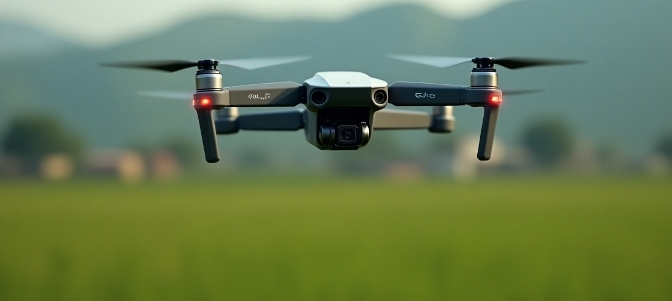
Drones are transforming Indian agriculture through precision spraying, crop monitoring, irrigation assessment, and fertiliser application. Government support continues via schemes such as the Kisan Drone initiatives under the Sub-Mission on Agricultural Mechanization (SMAM) and the Namo Drone Didi programme (₹1,261 crore outlay), which aims to equip women-led Self-Help Groups with drones (target of around 15,000 units, with progressive rollout ongoing into 2026). These tools help improve efficiency and reduce labour intensity, but operations involve specific risks that require appropriate insurance.
Risks in Agricultural Drone Operations
- Crop or neighbouring-field damage from crashes or uncontrolled landings.
- Chemical / spray-drift liability arising from pesticide or fertiliser application.
- Higher accident exposure during BVLOS or large-area operations.
- Damage to or loss of costly payloads (spray tanks, multispectral sensors, etc.).
- Third-party injury or property damage.
Insurance Needs for Agricultural Drones
- Third-Party Liability (mandatory for drones > 250 g): Covers injury or property damage to third parties.
- Hull Coverage: Protects the drone airframe against accidental damage, crashes, or theft.
- Payload Coverage: Essential for spray systems, sensors, and related equipment.
- Chemical / Spray-Related Liability: Addresses claims arising from drift or misapplication of chemicals (available as an extension with some specialist underwriters).
- BVLOS Add-On: Required if operating beyond visual line of sight on larger farms or under approved corridors.
- Pilot personal-accident cover is also frequently recommended.
Top Providers for Agricultural Drone Insurance
- TropoGo: Flexible comprehensive plans with payload and BVLOS options; convenient digital management.
- Tata AIG: Strong commercial and specialised underwriting, including support for higher-complexity agri operations.
- ICICI Lombard: Integrated liability, hull, and payload packages with add-on flexibility.
- Bajaj Allianz: Competitive pricing suitable for smaller operators and individual farmers.
- Other general insurers also participate via specialist platforms.
Cost of Agricultural Drone Insurance (Indicative 2026 Ranges)
- Basic third-party liability: from around ₹4,000–₹10,000.
- Comprehensive packages (liability + hull + payload): typically ₹10,000–₹50,000+ per year.
- BVLOS or chemical-liability extensions add further cost (often a loading or ₹5,000–₹15,000+).
Actual premiums depend on drone value, payload value, operational scale, pilot credentials, and risk profile.
Comparison Snapshot (Indicative)
| Provider | Third-Party Liability | Hull | Payload | BVLOS Add-On | Chemical/Spray Liability | Starting Price Range (₹) |
|---|---|---|---|---|---|---|
| TropoGo | Yes | Yes | Yes | Yes | Available via partners | From ~4,000 |
| Tata AIG | Yes | Yes | Yes | Yes | Supported in commercial plans | From ~8,000 |
| ICICI Lombard | Yes | Yes | Yes | Yes | Available | From ~5,000 |
| Bajaj Allianz | Yes | Yes | Yes | Yes | Limited / case-by-case | From ~4,000 |
Example
A farmer or service provider operating a spray drone such as a DJI Agras series model would typically need a comprehensive policy including third-party liability, hull, payload (spray system), and, where relevant, BVLOS or chemical-liability extensions. Annual costs for such a package often fall in the ₹15,000–₹40,000 range depending on limits and endorsements.
Tips for Farmers & Agri Operators
- Explore available subsidies under SMAM / Kisan Drone schemes and Namo Drone Didi (up to 80% subsidy capped at ₹8 lakh per package for eligible women SHGs) to reduce overall ownership costs.
- Confirm that any BVLOS operations have the required DGCA approvals and matching insurance endorsement.
- Keep full documentation (UIN, pilot credentials, chemical-handling compliance) ready for both regulatory and insurance purposes.
- Compare quotes through specialist platforms and major insurers; ensure the policy explicitly addresses spray/chemical exposures if relevant.
- Review and update cover annually as fleet size, operational area, or regulations evolve.
Properly structured agricultural drone insurance protects both the equipment investment and the operator against third-party and operational liabilities while supporting compliance with DGCA requirements.
Drone Insurance for Logistics and Delivery
Why Drones Are Key in Logistics
Drones are increasingly used for last-mile and middle-mile delivery in India, including medical supplies, e-commerce packages, and essential goods in both urban and remote areas. Companies and startups continue to run trials and limited commercial operations under DGCA frameworks. While drones can reduce delivery times and costs, operations frequently involve Beyond Visual Line of Sight (BVLOS) flying, valuable or time-sensitive payloads, and flights over or near populated areas—creating elevated risk profiles that require specialised insurance.
Risks in Logistics Drone Operations
- Collision or loss-of-control risks during BVLOS or corridor operations.
- Damage to or loss of high-value or critical payloads (electronics, pharmaceuticals, documents, etc.).
- Third-party injury or property damage, especially in urban or semi-urban environments.
- Regulatory non-compliance (operating without proper permissions in Yellow or Red zones).
- Theft or damage while the drone is in transit or stored between missions.
Insurance Needs for Logistics Drones
- Third-Party Liability (mandatory for drones > 250 g): Covers bodily injury and property damage to third parties.
- Hull Coverage: Protects the drone against accidental damage, crashes, or theft.
- Payload / Cargo Coverage: Covers the value of goods being carried (limits should match typical payload values).
- BVLOS Add-On / Endorsement: Essential for any operations beyond visual line of sight; standard policies usually exclude BVLOS.
- Transit Coverage: Protects the drone during ground transportation to and from operational sites.
- Additional considerations may include pilot personal-accident cover and higher liability limits for denser operating environments.
Top Providers for Logistics Drone Insurance
- TropoGo: Flexible plans (including pay-as-you-fly options) with strong support for BVLOS, payload, and multi-drone operations.
- ICICI Lombard: Structured commercial packages combining liability, hull, and payload, with BVLOS and transit options.
- HDFC ERGO: Reliable commercial cover available through specialist channels, including TropoGo partnerships.
- Tata AIG: Aviation-oriented underwriting suited to commercial delivery fleets and higher-complexity operations.
- Other general insurers also participate via brokers or platforms.
Cost of Logistics Drone Insurance (Indicative 2026 Ranges)
- Basic third-party liability: typically from ₹8,000–₹15,000+.
- Comprehensive packages (liability + hull + payload): commonly ₹15,000–₹60,000+ per drone or higher for fleets.
- BVLOS endorsements and higher payload limits add further cost (often a significant loading or ₹5,000–₹15,000+).
Premiums scale with drone value, payload value, operational intensity, corridor risk, and fleet size. Multi-drone or enterprise programmes are usually quoted on a custom basis.
Comparison Snapshot (Indicative)
| Provider | Third-Party Liability | Hull | Payload/Cargo | BVLOS Add-On | Transit Coverage | Starting Price Range (₹) |
|---|---|---|---|---|---|---|
| TropoGo | Yes | Yes | Yes | Yes | Yes | From ~15,000 |
| ICICI Lombard | Yes | Yes | Yes | Yes | Yes | From ~10,000 |
| HDFC ERGO | Yes | Yes | Yes | Yes | Yes | From ~12,000 |
| Tata AIG | Yes | Yes | Yes | Yes | Available | From ~20,000 |
Example
A logistics operator running small-to-medium delivery drones on approved routes would typically require a comprehensive policy with third-party liability, hull, payload/cargo cover, and a BVLOS endorsement. Annual costs for a single drone often fall in the ₹25,000–₹50,000 range (higher for denser urban corridors or higher-value payloads); fleet programmes are priced accordingly.
Tips for Logistics Operators
- Confirm that any BVLOS or corridor operations have the necessary DGCA approvals and that the insurance policy explicitly includes a matching BVLOS endorsement.
- Size payload/cargo limits to the actual value of goods carried on typical missions.
- Maintain full Digital Sky / UIN compliance and keep permission records ready for both regulatory and claims purposes.
- For frequent or variable operations, explore flexible or fleet arrangements through specialist platforms such as TropoGo.
- Review policy exclusions carefully (especially geographic limits, weather conditions, and unauthorised pilot use).
- Reassess cover as routes, payload types, or fleet size change.
Properly structured logistics drone insurance addresses the combination of equipment risk, cargo exposure, third-party liability, and the higher operational complexity of delivery missions while supporting DGCA compliance.
For Details See : Drone Insurance For Delivery Services In India
Drone Insurance for Filmmaking and Photography
Drone Insurance for Filmmaking and Photography (2026)
Why Drones Are Essential in Filmmaking & Photography
Drones have become indispensable for wedding photographers, filmmakers, content creators, real-estate shooters, and media production teams in India. Models such as the DJI Mavic series and higher-end cinema drones enable dynamic aerial shots that were previously expensive or impractical. However, operations involve high-value equipment, frequent flights over people or private property, and occasional night or event work—creating specific insurance needs.
Risks in Filmmaking & Photography Drone Operations
- Damage to or loss of expensive cameras, gimbals, lenses, or other payloads (often worth more than the drone itself).
- Third-party injury or property damage during urban, event, or crowded shoots.
- Privacy-related claims arising from filming over private property or individuals.
- Crashes, fly-aways, or theft of the drone.
- Night or low-light operations that may fall outside standard policy terms.
Insurance Needs for Filmmaking Drones
- Third-Party Liability (mandatory for drones > 250 g): Covers bodily injury and property damage to third parties.
- Hull Coverage: Protects the drone airframe against accidental damage, crashes, or theft.
- Payload Coverage: Critical for high-value cameras, gimbals, and accessories—limits should match actual equipment values.
- Privacy / Invasion-of-Privacy Add-On: Available with some insurers; useful when filming in residential or public areas.
- Night Flying Add-On: Required for shoots after sunset.
- Transit cover is also useful when transporting gear between locations.
Top Providers for Filmmaking & Photography Drone Insurance
- TropoGo: Flexible comprehensive plans with strong payload options and convenient digital purchase/management.
- ICICI Lombard: Offers payload and liability packages; privacy-related extensions may be available depending on the product.
- HDFC ERGO: Reliable commercial and recreational cover through specialist channels.
- Tata AIG: Suitable for higher-value commercial production work.
- Bajaj Allianz: Competitive pricing for smaller operators and individual photographers.
- Comparison platforms and aggregators can also surface suitable options.
Cost of Filmmaking Drone Insurance (Indicative 2026 Ranges)
- Basic third-party liability: typically ₹4,000–₹12,000.
- Comprehensive packages (liability + hull + payload): commonly ₹8,000–₹35,000+ per year.
- High-value payload, night-flying, or privacy add-ons increase the premium further.
Actual cost depends on drone value, camera/sensor value, frequency of use, and operating environment (urban vs rural, events, etc.).
Comparison Snapshot (Indicative)
| Provider | Third-Party Liability | Hull | Payload | Privacy Add-On | Night Flying | Starting Price Range (₹) |
|---|---|---|---|---|---|---|
| TropoGo | Yes | Yes | Yes | Limited / case-by-case | Yes | From ~4,000 |
| ICICI Lombard | Yes | Yes | Yes | Available with some plans | Yes | From ~5,000 |
| HDFC ERGO | Yes | Yes | Yes | Limited | Yes | From ~5,000 |
| Bajaj Allianz | Yes | Yes | Yes | Limited | Yes | From ~4,000 |
| Tata AIG | Yes | Yes | Yes | Available in commercial plans | Yes | From ~8,000 |
Example
A wedding or commercial photographer flying a DJI Mavic-series drone with a high-quality camera setup would typically need third-party liability, hull, and payload cover, plus a night-flying endorsement for evening work. A well-matched annual package often falls in the ₹12,000–₹25,000 range depending on equipment value and limits.
Tips for Filmmakers & Photographers
- Size payload coverage to the actual replacement value of cameras, gimbals, and lenses.
- Confirm whether privacy-related cover is included or available as an add-on if you frequently film in residential or public areas.
- Ensure night-flying operations are explicitly endorsed if required.
- Keep full documentation (UIN, pilot credentials, equipment invoices) ready for both compliance and claims.
- Compare quotes via specialist platforms such as TropoGo and major insurers; review exclusions carefully (especially regarding crowds, private property, and weather).
- For frequent or high-value production work, consider higher liability limits and comprehensive packages.
Properly structured filmmaking and photography drone insurance protects expensive creative equipment, addresses third-party and privacy exposures, and supports DGCA-compliant operations so creators can focus on capturing the shot.
Drone Insurance for Construction and Surveying
Why Drones Are Used in Construction & Surveying?
Drones have become essential tools for construction companies, infrastructure developers, and surveying firms in India. They enable accurate aerial mapping, site progress monitoring, volumetric measurements, structural inspections, and safety assessments—often faster and safer than traditional methods. Operations frequently take place on active construction sites, near heavy machinery, or over large linear infrastructure (highways, railways, power lines), which introduces specific risks.
Risks in Construction & Surveying Drone Operations
- Physical damage to the drone from collisions with scaffolding, cranes, structures, or terrain.
- Damage to or loss of high-value payloads (high-resolution cameras, LiDAR, thermal, or multispectral sensors).
- Third-party injury or property damage involving workers, equipment, or neighbouring property.
- Higher exposure during large-site or BVLOS mapping missions.
- Theft or damage while equipment is stored or transported between sites.
Insurance Needs for Construction & Surveying Drones
- Third-Party Liability (mandatory for drones > 250 g): Covers bodily injury and property damage to third parties.
- Hull Coverage: Protects the drone against accidental damage in challenging site environments.
- Payload Coverage: Essential for expensive cameras, LiDAR units, and other sensors—limits should reflect actual replacement values.
- BVLOS Add-On: Frequently required for large-scale surveying, corridor mapping, or linear infrastructure work.
- Transit cover and pilot personal-accident protection are also commonly recommended.
Top Providers for Construction & Surveying Drone Insurance
- TropoGo: Flexible comprehensive plans with strong payload and BVLOS support; convenient for project-based or multi-site operators.
- Tata AIG: Aviation-oriented commercial underwriting suited to professional surveying and construction fleets.
- ICICI Lombard: Integrated liability, hull, and payload packages with add-on flexibility.
- HDFC ERGO and Bajaj Allianz: Also offer suitable commercial options, often accessible via specialist platforms.
Cost of Construction & Surveying Drone Insurance (Indicative 2026 Ranges)
- Basic third-party liability: typically from ₹5,000–₹15,000.
- Comprehensive packages (liability + hull + payload): commonly ₹10,000–₹40,000+ per year.
- High-value LiDAR or specialised sensors, plus BVLOS endorsements, push costs higher.
Premiums depend on drone value, payload value, site risk profile, and operational intensity.
Comparison Snapshot (Indicative)
| Provider | Third-Party Liability | Hull | Payload | BVLOS Add-On | Starting Price Range (₹) |
|---|---|---|---|---|---|
| TropoGo | Yes | Yes | Yes | Yes | From ~10,000 |
| Tata AIG | Yes | Yes | Yes | Yes | From ~8,000 |
| ICICI Lombard | Yes | Yes | Yes | Yes | From ~5,000 |
| HDFC ERGO | Yes | Yes | Yes | Yes | From ~8,000 |
Example
A surveying or construction firm using drones equipped with high-resolution cameras or LiDAR for highway, railway, or large site projects would typically require third-party liability, hull, payload (sensor) cover, and a BVLOS endorsement where applicable. A well-matched annual package often falls in the ₹15,000–₹35,000 range per drone, depending on equipment value and risk factors.
Tips for Construction & Surveying Operators
- Ensure payload coverage fully reflects the replacement cost of cameras, LiDAR, or specialised sensors.
- Confirm BVLOS operations (if any) have the necessary DGCA approvals and matching insurance endorsement.
- Account for the higher physical-risk environment of active construction sites when selecting limits and deductibles.
- Maintain complete documentation (UIN, pilot credentials, equipment invoices, site permissions) for compliance and claims.
- For multi-site or project-based work, explore flexible or fleet arrangements through platforms such as TropoGo.
- Review policy exclusions carefully, especially those related to industrial sites, heavy machinery, or unauthorised airspace.
Properly structured construction and surveying drone insurance protects both the aircraft and high-value sensors while addressing the elevated third-party and operational risks typical of these environments, supporting safe and DGCA-compliant operations.
Drone Insurance for Surveillance and Security
Why Drones Are Used in Surveillance & Security
Drones are widely deployed in India for border and perimeter monitoring, critical infrastructure protection, industrial site security, event surveillance, and private property observation. High-resolution optical, thermal, and zoom cameras enable real-time situational awareness while reducing the need for personnel in difficult or hazardous locations. Operations often occur near sensitive or populated areas, which raises both operational and legal risk considerations.
Risks in Surveillance Drone Operations
- Privacy-related claims arising from filming private property, individuals, or restricted areas.
- Third-party injury or property damage, particularly when flying near people, buildings, or public spaces.
- Damage to or loss of high-value cameras, thermal imagers, or other sensors.
- Physical loss of the drone through crashes, fly-aways, or theft.
- Regulatory issues when operating near or in controlled (Yellow/Red) zones without proper permissions.
Insurance Needs for Surveillance Drones
- Third-Party Liability (mandatory for drones > 250 g): Covers bodily injury and property damage to third parties.
- Hull Coverage: Protects the drone against accidental damage, crashes, or theft.
- Payload Coverage: Essential for high-value optical, thermal, or specialised sensors.
- Privacy / Invasion-of-Privacy Add-On: Available with some insurers; particularly relevant for surveillance work near private property or public areas.
- Night-flying or BVLOS endorsements may also be required depending on the operational profile.
- Transit cover is useful when moving equipment between sites.
Top Providers for Surveillance & Security Drone Insurance
- TropoGo: Flexible comprehensive plans with strong liability and payload options; convenient digital management.
- ICICI Lombard: Offers liability, hull, and payload packages; privacy-related extensions may be available on certain products.
- HDFC ERGO: Reliable commercial cover through specialist channels.
- Tata AIG: Suitable for higher-value or more complex security operations.
- Other general insurers also participate via brokers or platforms.
Cost of Surveillance Drone Insurance (Indicative 2026 Ranges)
- Basic third-party liability: typically from ₹5,000–₹15,000.
- Comprehensive packages (liability + hull + payload): commonly ₹12,000–₹50,000+ per year.
- Privacy add-ons, higher sensor values, night flying, or BVLOS can increase premiums further.
Actual cost depends on drone and payload value, operating environment (urban, industrial, border-adjacent), and frequency of use.
Comparison Snapshot (Indicative)
| Provider | Third-Party Liability | Hull | Payload | Privacy Add-On | Starting Price Range (₹) |
|---|---|---|---|---|---|
| TropoGo | Yes | Yes | Yes | Limited / case-by-case | From ~12,000 |
| ICICI Lombard | Yes | Yes | Yes | Available with some plans | From ~10,000 |
| HDFC ERGO | Yes | Yes | Yes | Limited | From ~12,000 |
| Tata AIG | Yes | Yes | Yes | Available in commercial plans | From ~15,000 |
Example
A security firm using drones equipped with high-resolution or thermal cameras to monitor an industrial facility or perimeter would typically require third-party liability, hull, and payload cover, plus a privacy-related extension if available and relevant. A suitable annual package often falls in the ₹15,000–₹35,000 range depending on equipment value and operational risk.
Tips for Surveillance & Security Operators
- Confirm whether privacy / invasion-of-privacy cover is included or can be added, especially when operating near private property or public spaces.
- Size payload coverage to the actual replacement cost of cameras and sensors.
- Ensure all flights comply with DGCA rules, including permissions for Yellow or Red zones, and that the insurance policy matches the authorised operations.
- Maintain complete documentation (UIN, pilot credentials, equipment details, and any required security clearances).
- Review policy exclusions carefully regarding sensitive locations, crowds, and data-related liabilities.
- For ongoing or multi-site security programmes, explore fleet or enterprise arrangements through specialist platforms such as TropoGo.
Properly structured surveillance and security drone insurance addresses equipment risk, third-party exposures, and privacy-related concerns while supporting compliant operations in sensitive environments.nce for Surveillance and Security
Drone Insurance for Healthcare
Why Drones Are Used in Healthcare?
Drones are increasingly deployed in India for the delivery of medical supplies, vaccines, blood products, diagnostics samples, and emergency medicines—particularly to remote, hilly, or underserved areas. Trials and limited operational programmes (including those linked to institutions such as the Indian Council of Medical Research and various state health initiatives) have demonstrated the potential to reduce delivery times and improve last-mile access. These missions demand high reliability, careful payload handling, and often Beyond Visual Line of Sight (BVLOS) operations.
Risks in Healthcare Drone Operations
- Loss of or damage to high-value or time-critical medical payloads (vaccines, blood, medicines, samples).
- Third-party injury or property damage during flights over rural or semi-urban areas.
- Elevated operational risk associated with BVLOS or longer-range corridor flying.
- Physical damage to or loss of the drone itself.
- Regulatory compliance requirements for permissions and approved routes.
Insurance Needs for Healthcare Drones
- Third-Party Liability (mandatory for drones > 250 g): Covers bodily injury and property damage to third parties.
- Hull Coverage: Protects the drone against accidental damage, crashes, or theft.
- Payload / Cargo Coverage: Critical for the medical supplies being carried; limits should reflect the actual or potential value of the goods.
- BVLOS Add-On: Essential for most remote or corridor-based medical delivery operations; standard policies typically exclude BVLOS.
- Transit cover (for ground movement of the drone) and pilot personal-accident protection are also frequently useful.
Top Providers for Healthcare Drone Insurance
- TropoGo: Flexible comprehensive plans with payload and BVLOS support; convenient for operators running regular or variable medical delivery missions.
- Tata AIG: Aviation-oriented commercial underwriting suited to higher-reliability and specialty delivery operations.
- ICICI Lombard: Integrated liability, hull, and payload packages with add-on flexibility.
- HDFC ERGO and other general insurers also offer suitable commercial options via specialist channels.
Cost of Healthcare Drone Insurance (Indicative 2026 Ranges)
- Basic third-party liability: typically from ₹8,000–₹15,000+.
- Comprehensive packages (liability + hull + medical payload): commonly ₹15,000–₹60,000+ per year.
- BVLOS endorsements and higher payload limits increase costs further.
Premiums depend on drone value, typical payload value, route risk, and operational frequency. Fleet or programme-level cover is usually custom-quoted.
Comparison Snapshot (Indicative)
| Provider | Third-Party Liability | Hull | Payload/Cargo | BVLOS Add-On | Starting Price Range (₹) |
|---|---|---|---|---|---|
| TropoGo | Yes | Yes | Yes | Yes | From ~15,000 |
| Tata AIG | Yes | Yes | Yes | Yes | From ~20,000 |
| ICICI Lombard | Yes | Yes | Yes | Yes | From ~15,000 |
| HDFC ERGO | Yes | Yes | Yes | Yes | From ~15,000 |
Example
A healthcare logistics operator or startup delivering vaccines or blood products on approved routes would typically require third-party liability, hull, dedicated payload/cargo cover sized to the medical supplies, and a BVLOS endorsement. A suitable annual package often falls in the ₹25,000–₹50,000 range per drone (higher for denser routes or higher-value payloads).
Tips for Healthcare Operators
- Size payload/cargo coverage to the actual replacement or consequential value of the medical supplies carried.
- Confirm that any BVLOS or corridor operations have the required DGCA approvals and that the insurance policy includes an explicit matching endorsement.
- Maintain full documentation (UIN, pilot credentials, payload details, and route permissions) for both regulatory compliance and claims.
- Review policy wording carefully regarding temperature-sensitive or perishable goods, if relevant.
- For regular medical delivery programmes, explore fleet or specialised arrangements through platforms such as TropoGo.
- Coordinate insurance requirements with any institutional or government programme guidelines that may apply.
Properly structured healthcare drone insurance protects the aircraft, safeguards critical medical payloads, addresses third-party exposures, and supports the higher operational standards required for reliable medical logistics while remaining aligned with DGCA rules.
Drone Insurance for Hobbyists and Recreational Use
Why Drones Are Popular Among Hobbyists?
Recreational flying and aerial photography remain among the most common uses of drones in India. Popular models such as the DJI Mini series (many of which fall at or near the 250 g threshold) allow enthusiasts to capture aerial photos and videos with relative ease. Nano drones (≤ 250 g) enjoy the lightest regulatory treatment, but any drone above that weight triggers registration and insurance requirements.
Risks in Recreational Drone Operations
- Accidental crashes or fly-aways that damage or destroy the drone.
- Third-party property damage or injury (for example, hitting a vehicle, building, or person).
- Theft of the drone.
- Potential legal or financial exposure even during casual flying.
Insurance Needs for Hobbyist Drones
- Third-Party Liability (mandatory for all drones > 250 g): Covers injury or property damage caused to others. Nano drones (≤ 250 g) are exempt from the mandatory requirement.
- Hull Coverage (strongly recommended): Protects the drone itself against accidental damage, crashes, or theft—especially worthwhile for higher-value recreational models.
- Payload cover is rarely needed for pure hobby use unless expensive cameras are routinely flown.
- Night-flying or other specialty add-ons are usually unnecessary for typical recreational flying.
Top Providers for Hobbyist / Recreational Drone Insurance
- TropoGo: Convenient, affordable entry-level plans with flexible options; easy online purchase.
- Bajaj Allianz: Competitive pricing well suited to individual recreational users.
- ICICI Lombard: Straightforward liability and hull packages.
- HDFC ERGO: Reliable basic cover available through specialist channels.
- Other general insurers also offer suitable recreational products.
Cost of Hobbyist Drone Insurance (Indicative 2026 Ranges)
- Basic third-party liability only: typically ₹4,000–₹8,000 per year.
- Third-party + hull packages: commonly ₹5,000–₹12,000 per year.
Premiums remain at the lower end of the market for pure recreational use, especially for Micro-category drones flown in Green zones.
Comparison Snapshot (Indicative)
| Provider | Third-Party Liability | Hull Coverage | Starting Price Range (₹) |
|---|---|---|---|
| TropoGo | Yes | Yes | From ~4,000 |
| Bajaj Allianz | Yes | Yes | From ~4,000 |
| ICICI Lombard | Yes | Yes | From ~5,000 |
| HDFC ERGO | Yes | Yes | From ~4,000 |
Example
A hobbyist flying a DJI Mini-series or similar Micro drone primarily for recreational photography would typically need only third-party liability (mandatory if over 250 g) and may add hull cover for peace of mind. An annual package in the ₹4,000–₹8,000 range is common.
Tips for Hobbyists
- Confirm whether your drone is Nano (≤ 250 g) or heavier—Nano drones are exempt from mandatory insurance and UIN registration for basic recreational use in Green zones.
- Even when not mandatory, hull cover is worth considering for any drone that would be expensive to replace.
- Fly only in permitted Green zones and stay within visual line of sight unless you hold the necessary approvals.
- Keep digital copies of the policy and any registration documents handy.
- Compare simple liability or liability-plus-hull quotes via TropoGo or major insurers; avoid paying for commercial add-ons you will not use.
- Review the policy for basic exclusions (prohibited zones, intentional misuse, etc.).
For pure recreational flying, straightforward third-party liability (plus optional hull) provides the essential protection required by regulation while keeping costs low and the process simple.
Drone Insurance for Training Institutes (RPTOs)
Why Drones Are Used in Training?
Remote Pilot Training Organisations (RPTOs) approved by the DGCA play a central role in building India’s drone pilot workforce. They operate fleets of training drones and conduct both ground and practical flight training for students seeking Remote Pilot Certificates (RPCs). Because training involves inexperienced pilots and multiple aircraft, specialised insurance is essential.
Risks in Training Drone Operations
- Higher accident frequency due to student pilots still developing skills.
- Physical damage to or loss of multiple training drones.
- Third-party injury or property damage during practical flying sessions (often conducted in open or designated training areas).
- Potential gaps in cover if the policy does not explicitly include training or student operations.
- Fleet-level exposure when several drones are in use simultaneously.
Insurance Needs for Training / RPTO Drones
- Third-Party Liability (mandatory for drones > 250 g): Covers bodily injury and property damage to third parties.
- Hull Coverage: Protects the training drones themselves against accidental damage, crashes, or theft.
- Training / RPTO-Specific Cover or Endorsement: Explicitly extends protection to operations conducted by student pilots under instructor supervision. Standard commercial policies may exclude or restrict student flying unless this is added.
- Fleet or multi-drone arrangements are usually more practical and cost-effective than individual policies.
- Payload cover is less critical unless specialised training equipment is used; transit and pilot/instructor personal-accident cover can be useful additions.
Top Providers for Training / RPTO Drone Insurance
- Tata AIG: Frequently cited for tailored commercial and training-oriented policies; collaborates with industry bodies and understands RPTO requirements.
- TropoGo: Offers flexible plans and training-specific options suitable for RPTOs; convenient digital management for fleets.
- ICICI Lombard: Provides comprehensive commercial packages that can be structured for training operations.
- HDFC ERGO and other general insurers also participate via specialist channels.
Cost of Training Drone Insurance (Indicative 2026 Ranges)
- Single-drone training packages: typically ₹10,000–₹25,000 per year.
- Multi-drone / fleet programmes for RPTOs: commonly ₹15,000–₹40,000+ depending on fleet size, drone values, and training intensity.
- Dedicated training endorsements or higher liability limits increase the premium.
Actual pricing is usually custom-quoted based on the number of aircraft, student volume, and risk profile.
Comparison Snapshot (Indicative)
| Provider | Third-Party Liability | Hull | Training / Student Cover | Starting Price Range (₹) |
|---|---|---|---|---|
| TropoGo | Yes | Yes | Yes | From ~10,000 |
| Tata AIG | Yes | Yes | Yes (strong focus) | From ~12,000 |
| ICICI Lombard | Yes | Yes | Available | From ~10,000 |
| HDFC ERGO | Yes | Yes | Available | From ~10,000 |
Example
An approved RPTO operating a small fleet of training drones for RPC courses would typically require third-party liability, hull cover for the aircraft, and an explicit training/student-pilot endorsement. A suitable annual fleet package often falls in the ₹15,000–₹30,000+ range depending on the number and value of drones.
Tips for RPTOs
- Ensure the policy explicitly covers operations by student pilots under instructor supervision—do not assume a standard commercial policy is sufficient.
- Structure cover on a fleet basis rather than individual aircraft for better pricing and administrative simplicity.
- Maintain full DGCA compliance (RPTO approval, instructor credentials, student records, and aircraft UINs).
- Keep clear training logs and incident records; these support both regulatory requirements and smoother claims handling.
- Review policy limits and deductibles in light of the higher expected incident frequency inherent in training environments.
- Work with specialist platforms such as TropoGo or insurers experienced with RPTOs (notably Tata AIG) for appropriately worded cover.
Properly structured RPTO insurance protects the training fleet, addresses the elevated risk of student operations, and supports the regulatory and financial stability of the training organisation.
How to Choose the Right Drone Insurance for Your Use Case?
- Assess Your Specific Risks
Identify the exposures that matter most to your operations—for example, chemical/spray drift and payload damage in agriculture, cargo loss and BVLOS in logistics, high-value cameras and privacy concerns in filmmaking, sensor protection and site hazards in construction/surveying, or student-pilot risk in RPTO training. - Confirm DGCA Compliance
Ensure third-party liability cover is in place for any drone over 250 g (mandatory under the Drone Rules, 2021). Limits commonly start around ₹7.5 lakh for property damage, with bodily injury following Motor Vehicles Act principles. Higher limits are often advisable or contractually required for commercial work. Verify that the policy can reference your drone’s UIN and aligns with your authorised operations and airspace. - Compare Providers and Quotes
Use specialist platforms such as TropoGo and major insurers (Tata AIG, ICICI Lombard, HDFC ERGO, Bajaj Allianz) to obtain side-by-side quotes. Look beyond price to coverage depth, add-on availability, deductibles, and claims handling. - Select Relevant Add-Ons
Add only what you need: BVLOS for logistics, agriculture, or surveying; payload cover for cameras, sensors, or cargo; night-flying for events or certain commercial work; training/student cover for RPTOs; privacy-related extensions where filming near private property is involved. - Review Claims Process and Insurer Track Record
Prefer providers with relatively efficient claims handling and solid settlement records (Tata AIG is frequently referenced around 98.4% in drone-focused comparisons; others commonly around 96%). Check real-user feedback and confirm documentation and surveyor response expectations.
Conclusion
Drone insurance is an essential safeguard for anyone operating drones in India—whether you are a hobbyist, farmer, logistics provider, filmmaker, construction or survey professional, security operator, healthcare delivery service, or Remote Pilot Training Organisation. India’s drone sector continues to expand (recent estimates place the overall market in the range of roughly $0.5–1.9 billion in 2025 with projections toward $1.4–3.2 billion by 2030 according to sources such as MarketsandMarkets and IBEF). Compliance with the DGCA Drone Rules, 2021—including mandatory third-party liability insurance for drones above 250 g—is non-negotiable for legal commercial operations and strongly advisable even for recreational flying above the Nano threshold.
Tailored policies from specialist platforms such as TropoGo and major insurers including Tata AIG, ICICI Lombard, HDFC ERGO, and Bajaj Allianz address the distinct risks of each use case—from crop and chemical exposures in agriculture to payload and BVLOS needs in logistics and delivery, high-value sensor protection in filming and surveying, or student-pilot risk in training. Premiums for basic third-party cover often start around ₹4,000, while comprehensive commercial packages typically range from ₹10,000 to ₹50,000+ depending on drone value, usage, and add-ons.
For beginners the process is straightforward: determine your drone’s weight category and intended use, register on the Digital Sky / eGCA platform where required, obtain any necessary Remote Pilot Certificate, and select a policy that matches your actual risks. Flexible options such as “Pay As You Fly” plans and digital documentation further simplify compliance and cost management. By choosing appropriate, DGCA-aligned insurance, operators can focus on safe and productive flying while protecting both their equipment and their financial exposure.d against financial risks and regulatory challenges.
If You are bothering whether or not Drone Insurance is mandatory in India visit- Is Drone Insurance Mandatory In India Under The 2025 Civil Drone Bill?